
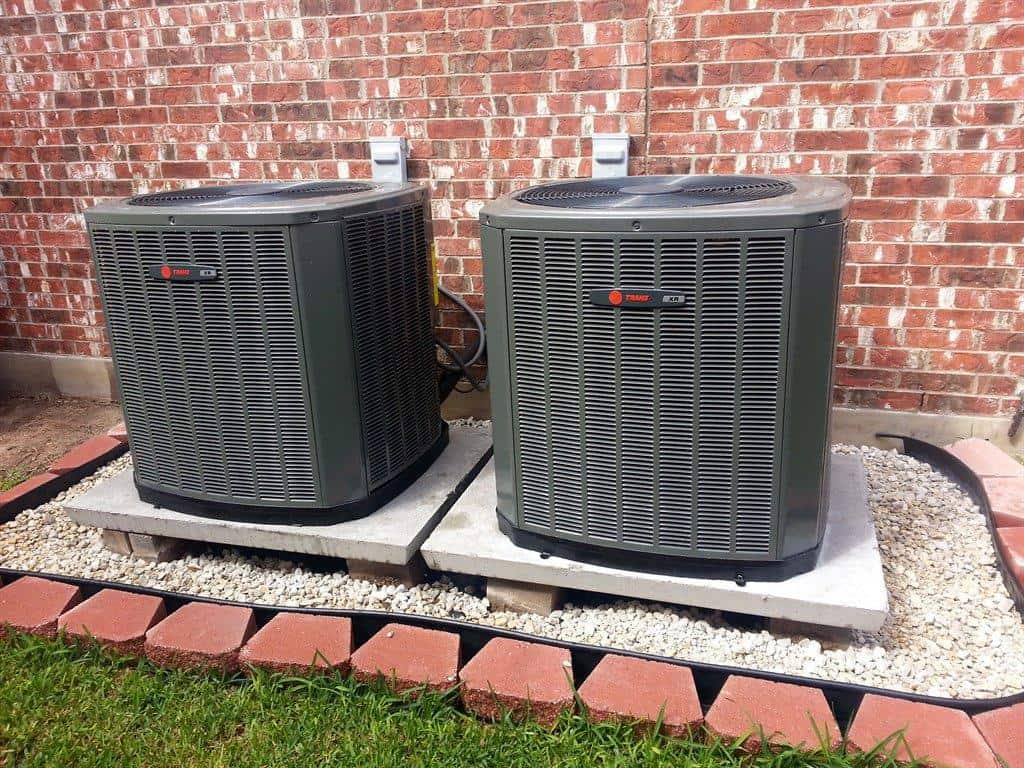
If your gas furnace is near the end of its life, you have three real choices: a new gas furnace, an all-electric heat pump, or a dual fuel system that pairs a heat pump with gas. For many Triangle homes, a heat pump or dual fuel is the better long-term choice. Which one fits depends on your ductwork, your electrical panel, and whether you want to keep a gas line. Here’s how we help Chapel Hill, Durham, and Cary homeowners decide.
What are your options when a gas furnace needs replacing?
Boer Brothers Heating & Cooling installs all three, and each one solves a different problem. A gas furnace only heats, so it needs a separate air conditioner. A heat pump heats and cools with one outdoor unit, moving heat instead of burning fuel. Dual fuel keeps a gas furnace for the coldest nights and lets a heat pump do the rest of the year.
| New gas furnace | All-electric heat pump | Dual fuel | |
|---|---|---|---|
| Heats and cools | Heats only (needs an AC) | Both | Both |
| Cold-night backup | Gas | Electric strip heat | Gas |
| Keeps your gas line | Yes | No (unless other gas appliances) | Yes |
| NC state heat pump rebate since Sept. 1, 2026 | No | No, when replacing gas | No, when replacing gas |
| Best fit | Newer AC, short horizon in the home | No gas, or ready to drop gas | Gas furnace with years left, or want gas backup |
If your air conditioner and furnace are both old, you’re replacing two pieces of equipment either way, and that’s usually when a heat pump makes the most sense.
Does a heat pump work in a Triangle winter?
A modern heat pump heats a Triangle home comfortably through nearly every winter night, because our winters are mild. At Raleigh-Durham International Airport, the normal January low is 31.8°F, based on NOAA’s 1991-2020 climate normals. The same records show about 65 nights a year at or below freezing, 7.6 nights at or below 20°F, and fewer than one night a year at 10°F or colder.
A heat pump pulls heat from outdoor air and keeps working well below freezing, though it gets less efficient as the temperature drops. On the coldest nights, an all-electric system calls on backup electric strip heat, the most expensive heat you can buy here (see the cost table below).
Two things keep strip heat use low:
- Right-sizing. We run a Manual J load calculation on every replacement instead of matching the old furnace’s size. An oversized or undersized heat pump leans on backup heat more than it should.
- A cold-climate model, where it makes sense. ENERGY STAR’s cold-climate certification requires a heat pump to deliver at least 1.75 units of heat per unit of electricity (a COP of 1.75) at 5°F. Most Triangle homes don’t need that rating, but it’s worth a look for a drafty older house or a homeowner dropping gas entirely.
How does dual fuel work with your gas furnace?
A dual fuel system pairs a heat pump with a gas furnace. A thermostat setting called the balance point decides when each one runs. Above it, the heat pump heats the house. Below it, the furnace takes over. In the Triangle, that means the heat pump carries most of the season and the furnace runs on the handful of genuinely cold nights.
Dual fuel makes the most sense in two situations:
- Your furnace still has years left but your AC is failing. We replace the AC with a heat pump and keep the furnace as backup, so you aren’t paying to replace a working furnace.
- You want gas backup. Some homeowners simply prefer gas heat on the coldest nights. (A gas furnace’s blower still runs on electricity, so it only helps in an outage if you have a generator.)
We set the balance point from your equipment’s published performance data and your utility rates, not a rule of thumb, and we can adjust it on a maintenance visit if gas or electric prices move.
Is it cheaper to run a heat pump or a gas furnace in North Carolina?
A heat pump is cheaper to run than a gas furnace for most of a Triangle winter. Gas pulls ahead only on the coldest nights. The table compares the cost of the same amount of heat (one therm, or 100,000 BTU, delivered into your home) using North Carolina’s own utility prices.
| Heat source | Efficiency assumed | Cost per therm of heat delivered |
|---|---|---|
| Heat pump, mild weather | COP 3.0 | $1.46 |
| New high-efficiency gas furnace | 95% AFUE | $1.82 |
| 20-year-old gas furnace | 80% AFUE | $2.16 |
| Heat pump, colder weather | COP 2.0 | $2.19 |
| Cold-climate heat pump at 5°F | COP 1.75 | $2.50 |
| Electric strip heat (backup) | COP 1.0 | $4.38 |
Prices: North Carolina residential averages from the U.S. Energy Information Administration. Electricity is 14.94¢ per kWh (January through July 2026). Natural gas is $17.89 per thousand cubic feet (January 2026, a winter month, since summer gas prices run higher per unit).
The crossover sits at a COP of about 2.4. When the heat pump delivers more than 2.4 units of heat per unit of electricity, it’s cheaper than a new 95% furnace. Against an older 80% furnace, the crossover drops to about 2.0. Your actual bill depends on your Duke Energy rate plan, your gas utility’s rate, and your house.
What does it cost to switch from gas to a heat pump?
A new heat pump in the Triangle usually runs $6,000 to $12,000 installed, depending on size, efficiency tier, and whether the ductwork or electrical panel needs work. We break that range down in our heat pump installation cost guide.
What moves your price on a gas-to-heat-pump switch:
- Electrical capacity. An all-electric heat pump with strip heat needs more electrical capacity than a gas furnace, and older panels sometimes need an upgrade.
- Ductwork. Existing ducts can usually be reused if they’re sized and sealed properly. We check before quoting.
- The gas line. Going all-electric means capping the line at the furnace. If you have a gas water heater or range, the line stays.
What changed with heat pump rebates on September 1, 2026?
Energy Saver North Carolina stopped rebating heat pumps that replace gas, propane, or oil heat on September 1, 2026. Before that date, the switch could earn up to $8,000. Now that money goes to homes that already heat with electricity, including homes replacing an existing heat pump.
Duke Energy’s conversion rebates don’t fill that gap. Every Duke conversion rebate starts from an existing heat pump or from electric resistance heat, not from gas. Some straight-replacement Smart $aver amounts depend on the equipment you install, so we’ll check what applies to your job when we quote it.
If you heat with gas, the state still tells you to apply. Your household may qualify for the heat pump water heater, electrical panel, and insulation rebates on the same application. Our North Carolina heat pump rebate guide covers income limits, the HOMES whole-home program, and how to check your eligibility.
Frequently Asked Questions
Is it cheaper to run a gas furnace or a heat pump?
At 2026 North Carolina prices, a heat pump is cheaper than a new 95% gas furnace whenever it delivers more than about 2.4 units of heat per unit of electricity, which covers most Triangle winter weather. Gas is cheaper on the coldest nights.
Why does a heat pump’s air feel cooler than a furnace’s?
Heat pump air comes out warm, not hot. Trane puts typical heat pump supply air at 85 to 93°F, which can feel cool against skin at about 98.6°F, while a gas furnace blows hotter air in shorter bursts. The house still reaches the temperature you set. A heat pump just runs longer, steadier cycles to get there.
How long do heat pumps last in North Carolina?
Trane, the brand Boer Brothers installs, puts the average heat pump life at 10 to 15 years. Installation quality and maintenance move that number more than anything else, which is why we size every system with a Manual J calculation and recommend a tune-up each spring and fall.
Will a heat pump get rid of carbon monoxide risk?
A heat pump doesn’t burn fuel, so it can’t produce carbon monoxide. If you keep any gas appliance, including a furnace in a dual fuel system, a gas water heater, or a range, keep working CO alarms on every level of your home.
Talk to us before your furnace decides for you
The best time to plan this switch is before your furnace fails on a cold night and the decision gets made in a hurry. Boer Brothers is a Trane dealer, and we’ll price a heat pump and a dual fuel setup side by side. If a heat pump doesn’t fit your house or budget, we’ll tell you and quote a high-efficiency gas furnace instead. Call 919.813.2556 or schedule a visit.
